How Physiotherapy Helps Children with Disabilities Develop Mobility and Independence

How Physiotherapy Helps Children with Disabilities Develop Mobility and Independence

How Physiotherapy Helps Children with Disabilities Develop Mobility and Independence

Every child develops physical skills at their own pace. For children with disabilities, everyday activities such as sitting, standing, reaching, walking or changing position may require additional time, practice and support.

Improving these abilities can make a difference in many parts of daily life. Better movement can help a child take part in lessons, play with others, manage everyday routines and become more involved in activities at home and school.

Physiotherapy for children with disabilities at Zobia Trust

Understanding Physiotherapy for Children with Disabilities

Physiotherapy for children with disabilities focuses on developing movement, strength, balance, posture and physical control. A qualified physiotherapist looks at what a child can currently do and identifies areas where additional support may be useful.

The activities used will depend on the child's individual abilities and needs. Through Zobia Trust's Ability Sponsorship programme, children can access specialist therapies designed to support different areas of their development.

Developing Strength and Body Control

Strength is important for many everyday movements. Children use different muscle groups when sitting upright, standing, reaching for objects or changing from one position to another.

Physiotherapy exercises can help strengthen the areas needed for these activities. Exercises are adapted to suit the child rather than expecting every child to complete the same movements or progress at the same speed.

Improving Balance and Coordination

Balance helps a child remain stable when sitting, standing or moving. Coordination allows different parts of the body to work together when completing an activity.

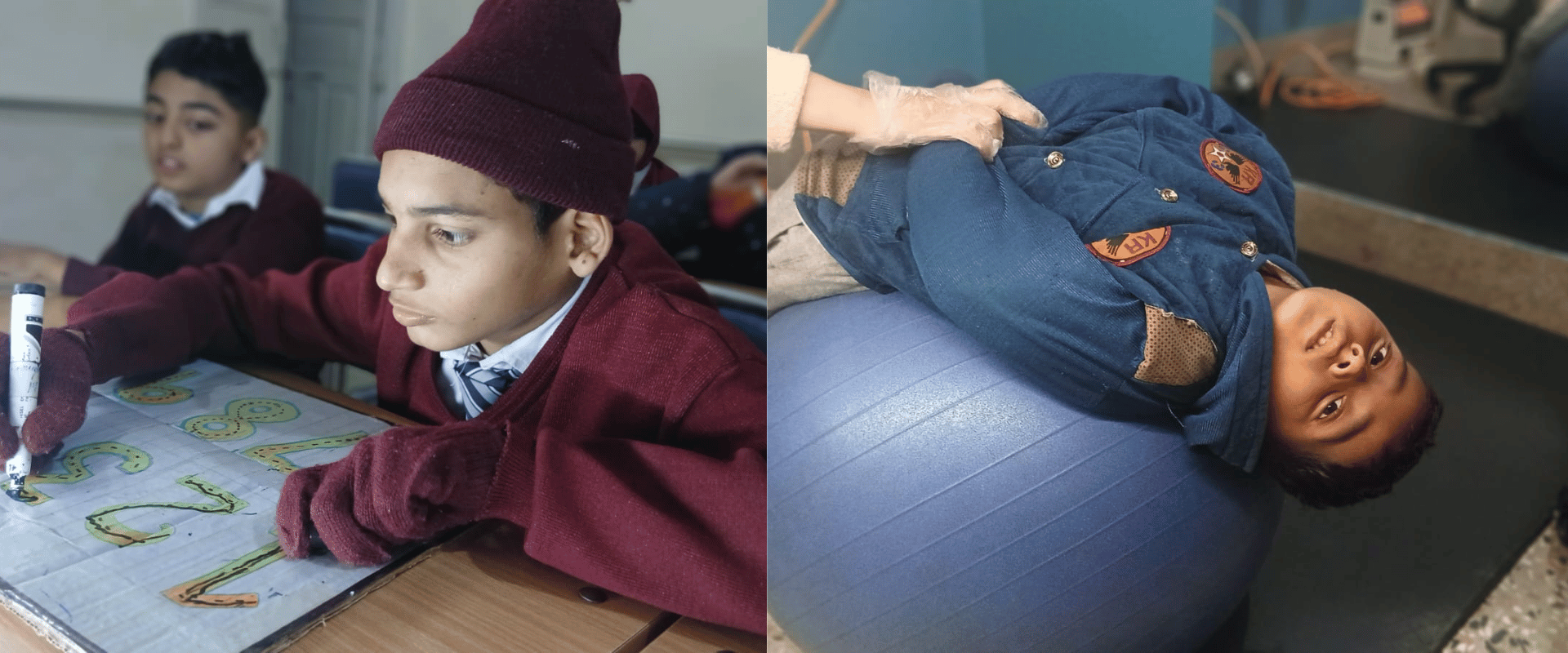
A physiotherapist may use guided movements, supported standing and balance activities to practise these skills. One child may work towards sitting more steadily, while another may focus on standing or moving with greater control.

Supporting Mobility in Everyday Situations

Mobility does not always mean being able to walk independently. For some children, progress may involve changing position with less help, moving between a chair and standing position or using a mobility aid more effectively.

The aim is to make movement useful in everyday situations. Improvements in physical ability can help children move around school, take part in activities and manage certain routines with greater comfort.

Helping Children Take Part at School

Physical abilities are used throughout the school day. Children may need to sit at a desk, reach for learning materials, move between activities or take part in games and group sessions.

When these movements become easier to manage, children may have more opportunities to participate in lessons and school life. Physical support can therefore contribute to education as well as helping with movement itself.

Turning Therapy into Practical Skills

The movements practised during therapy become particularly valuable when children can use them during normal activities. Better sitting control, for example, may help a child remain comfortable during a lesson or while eating.

Improved strength may make changing position easier, while better coordination can help with reaching or handling objects. Linking exercises with practical activities gives children clear reasons to use the skills they are developing.

Why Regular Practice Matters

Physical skills usually develop gradually rather than after only a few sessions. Repeating suitable movements gives children opportunities to become familiar with an activity and improve their control over time.

Progress may sometimes appear small. Sitting steadily for longer, maintaining a position or completing part of a movement with less help can still be meaningful achievements that make everyday activities more manageable.

Parents, Teachers and Therapists Working Together

Parents, carers and teachers often see how a child moves in situations that a physiotherapist may not. Their observations can provide useful information about activities that are easy, difficult or particularly important to the child.

Sharing this information can help keep therapy goals connected to daily needs. Normal play, classroom routines and suitable activities at home can also provide opportunities to practise movement without turning every part of the child's day into therapy.

How Zobia Trust Supports Children Through Physiotherapy

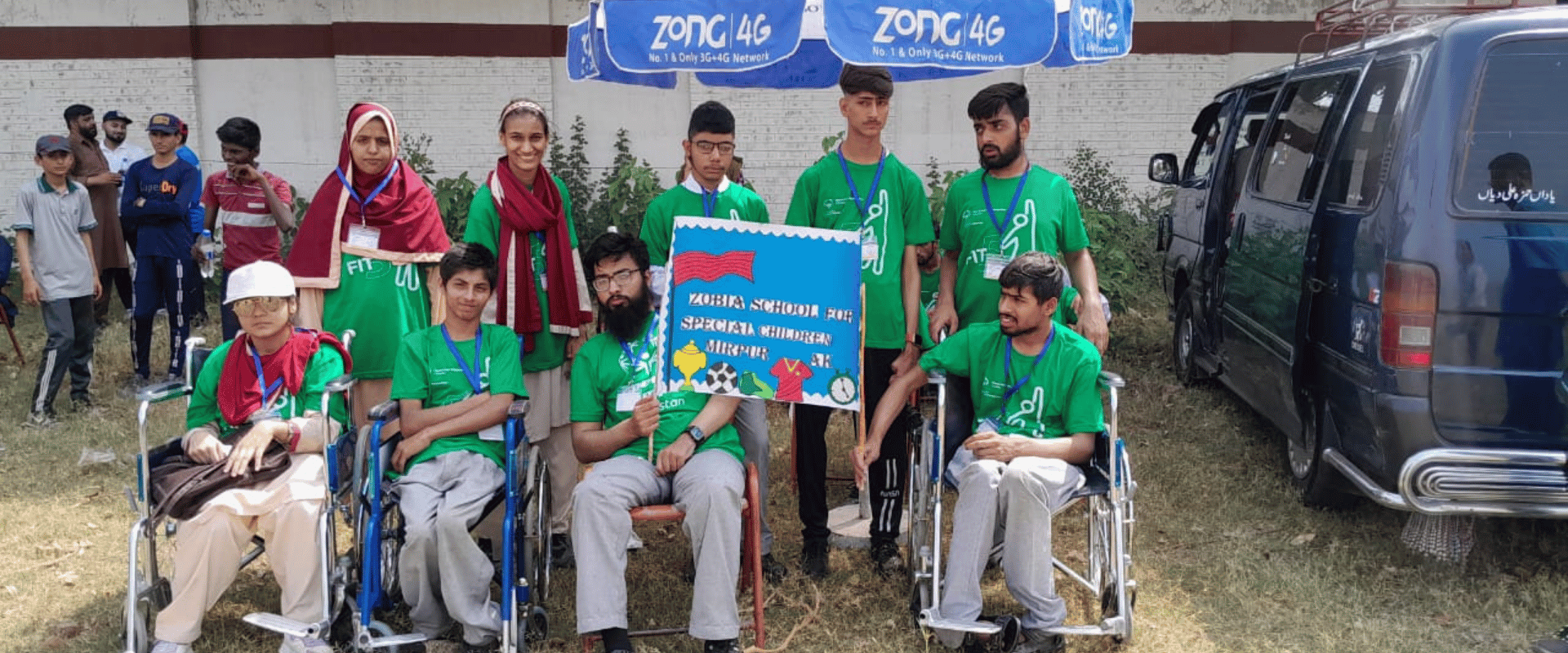
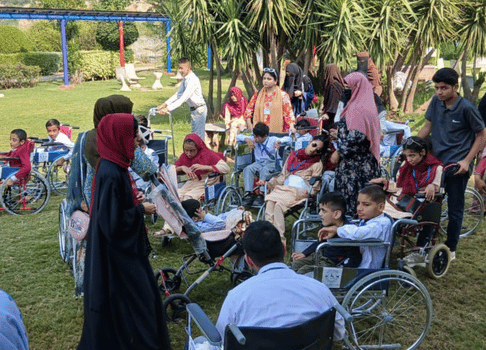
Zobia Trust provides physiotherapy as part of its wider support for children with disabilities. Each of its three Zobia School branches has a physiotherapy department supervised by qualified physiotherapists, with children receiving daily physiotherapy sessions. This allows physical development to be supported alongside education and other specialist services.

This support also connects naturally with other areas of Zobia Trust's work. Through Student Sponsorship, children can receive support that helps remove barriers to education, while Transport Services can help make school and specialist support more accessible. Together, these programmes help address some of the practical challenges children with disabilities and their families may experience.

Physiotherapy as Part of Wider Development

A child's physical development is only one part of their overall wellbeing. Some children may also need support with communication, learning, behaviour or everyday practical skills.

For this reason, physiotherapy can work alongside occupational therapy, speech therapy and behaviour therapy. Bringing different areas of support together allows professionals to focus on the child's wider needs rather than looking at one physical difficulty in isolation.

How Physiotherapy Can Support Independence

Independence means different things for different children. It does not always mean completing an entire task without assistance. For one child, it might mean sitting without being continuously supported, while another may be working towards standing or moving with less help.

Developing these abilities can give children a more active role in everyday activities. Even reducing the amount of assistance needed for one movement can make a practical difference at home, at school or during play.

Focusing on Progress That Matters to Each Child

Children should not be compared with one another when measuring physical development. Their abilities, circumstances and therapy goals can all be different.

The most useful progress is progress that makes everyday life easier for the individual child. With appropriate goals, professional guidance and regular practice, physiotherapy can help children develop physical abilities that support mobility, participation and greater independence.

Sponsor Physiotherapy & Care See All Appeals

Latest Updates

Latest News & Blog

Zobia Trust: A Lifeline for Special Needs Children

By: Zobia Trust Team June 25,2025

Zobia Trust: A Lifeline for Special Needs Children

Zobia Trust empowers disabled children by giving them access to resources they would otherwise miss. From inclusive learning programmes to therapy sessions and mobility equipment, Zobia Trust helps children live with dignity.