

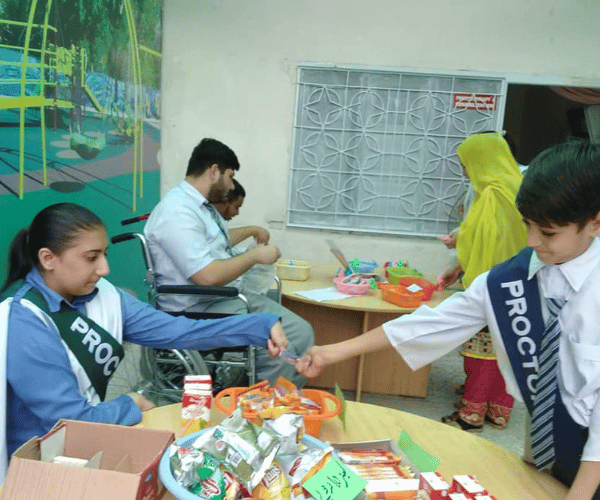
By: Zobia Trust Team July 14,2025
Supporting Children with Disabilities in Mirpur: A Mission of Hope by Zobia Trust
Zobia Trust takes big steps to help special needs childrens. We care deeply about them and want no one to be left behind.

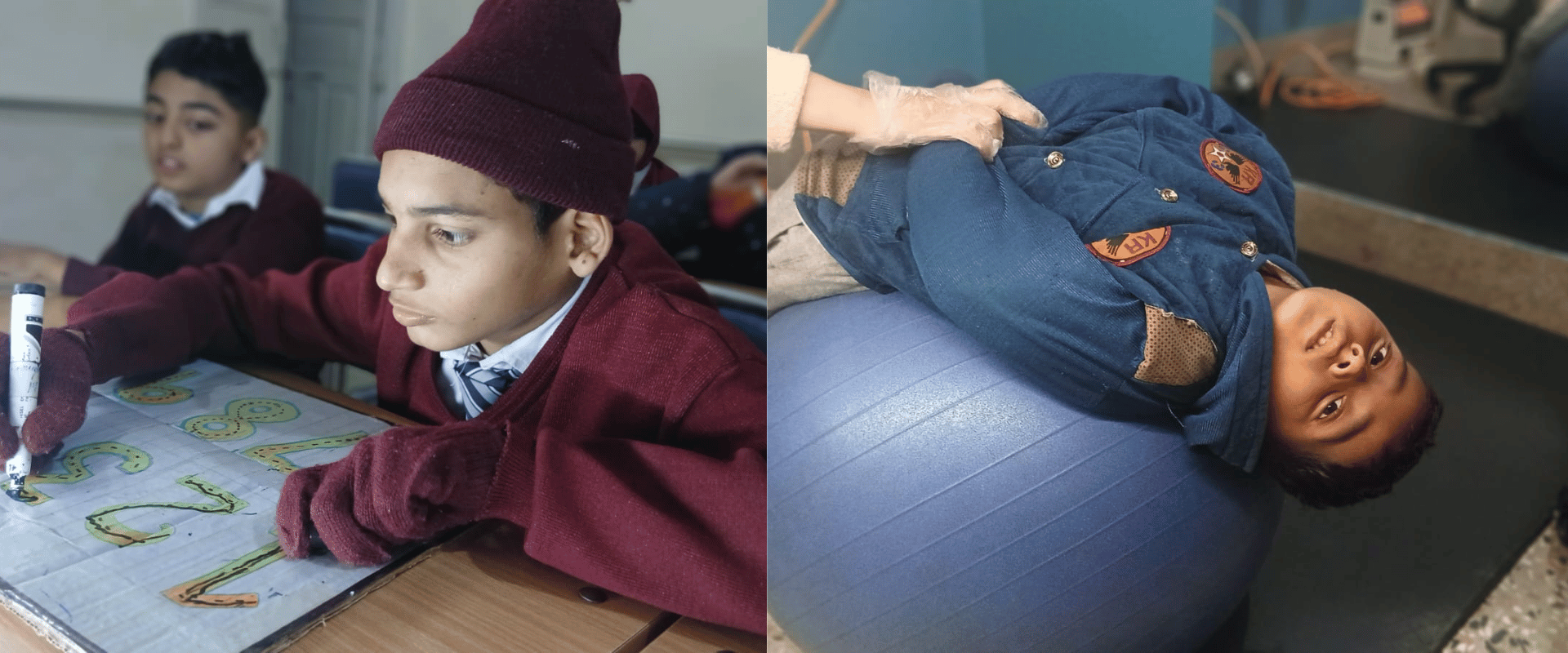
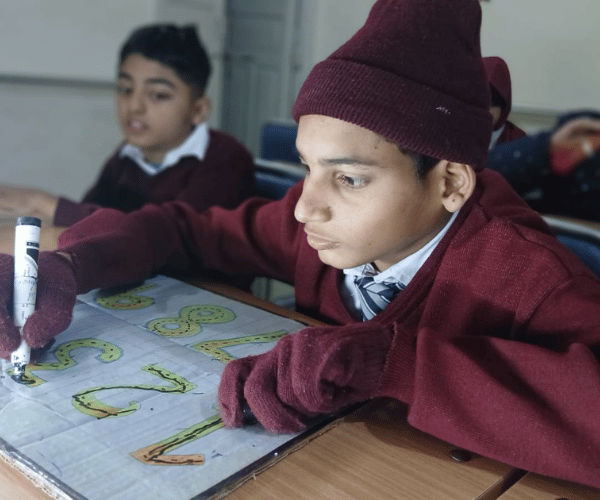
Every child deserves the chance to learn, grow, and enjoy life. However, some children with disabilities may need additional help with learning, movement, communication, or everyday activities. Education helps children gain knowledge and develop useful skills, while therapy can support their physical, communication, and developmental needs. When these services work together, children can have more opportunities to learn, participate in activities, and become more independent.
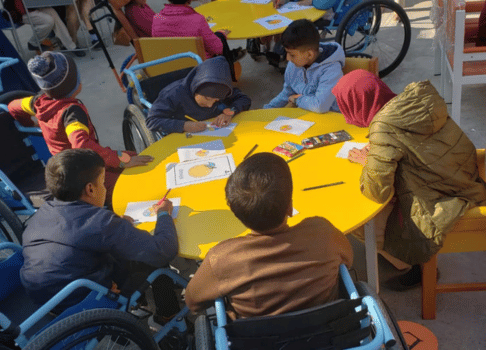
The SEN meaning refers to Special Educational Needs. It describes the additional support a child may need with learning or taking part in education. Every child is different, so their educational needs and the type of support they require can also vary.
What are special educational needs? They are needs that may make learning or participating in school more difficult for a child. Some children may need more time to understand a lesson, while others may need help with communication, movement, reading, writing, or daily activities.
Having special educational needs does not mean that a child cannot learn. With suitable teaching, patience, and encouragement, children can develop their abilities and make progress.
What is SEN? SEN stands for Special Educational Needs. It means that a child may require additional educational support because of a learning difficulty, disability, communication need, physical need, or another condition that affects their education.
The support can be different for each child. Some may benefit from adapted learning materials, additional time, communication support, or assistance with classroom activities. Understanding the individual needs of each child helps teachers and other professionals provide more effective support.
Parents, teachers, and professionals can also work together to understand a child's strengths and challenges. This teamwork can help create a learning environment where the child feels comfortable and encouraged.
SEN support means providing additional help to a child who needs it during their education. This may include different teaching methods, suitable learning materials, communication assistance, or extra guidance.
For example, if a child finds a classroom task difficult, a teacher can divide it into smaller and easier steps. This can make the activity easier to understand and help the child complete it with greater confidence.
SEN support should be based on the individual child. What works well for one child may not work in the same way for another. Regular communication between parents, teachers, and other professionals can help ensure that the support remains suitable as the child's needs change.
Education plays an important role in every child's development. It gives children opportunities to learn new subjects, communicate with others, develop interests, and build important life skills.
For children with disabilities, a supportive education can also help develop confidence and independence. Children can learn to follow routines, express their ideas, work with classmates, and complete everyday tasks. These skills can support them both in school and as they grow older.
A welcoming learning environment can also make a positive difference. When children feel safe and encouraged, they may become more comfortable asking questions, trying new activities, and celebrating their progress.
Therapy for children can provide additional help with areas that may affect learning, communication, movement, or everyday activities. The type of therapy a child receives depends on their individual needs.
For example, physiotherapy can help children develop movement and physical skills, while speech therapy can support communication and speaking abilities. Other forms of therapy may provide support for behavioural, developmental, or emotional needs.
Therapy does not replace education. Instead, it can complement a child's learning by helping them develop skills that make it easier to participate in school and everyday activities.
Education and therapy can support different areas of a child's development. Education mainly focuses on learning and knowledge, while therapy can help address physical, communication, developmental, or other individual needs.
For example, a child who has difficulty moving around school may benefit from classroom learning as well as physiotherapy. Education can help the child learn new subjects, while physiotherapy can support movement and physical abilities. Together, these services can make it easier for the child to participate in school activities.
This approach also encourages cooperation between parents, teachers, and therapists. By sharing information and understanding the child's progress, they can provide more consistent and suitable support.
Zobia Trust works to provide education, healthcare, therapy, and other support for children with disabilities. Its schools in Azad Kashmir provide education along with facilities that support children's development. The schools also have physiotherapy departments where children receive daily physiotherapy sessions under qualified physiotherapists.
The Trust provides additional support such as speech therapy, educational resources, uniforms, books, stationery, transport, lunch, and medical check-ups. These services can help children attend school, participate in learning, and develop useful skills for everyday life.
Zobia Trust also supports students through its sponsorship programme. This can help physically disabled students continue their education when financial difficulties may otherwise prevent them from attending school.
Every child has different abilities and may require different forms of support. Education can help children gain knowledge, confidence, and useful life skills, while therapy can help them develop physical, communication, and other abilities that support their daily lives.
When education and therapy are provided together, children can have greater opportunities to learn, participate, and develop independence. Through its schools, therapy services, and wider support, Zobia Trust continues to work towards a future where children with disabilities can learn, grow, and reach their potential.
Latest Updates
By: Zobia Trust Team July 14,2025
Zobia Trust takes big steps to help special needs childrens. We care deeply about them and want no one to be left behind.
By: Zobia Trust Team August 07,2025
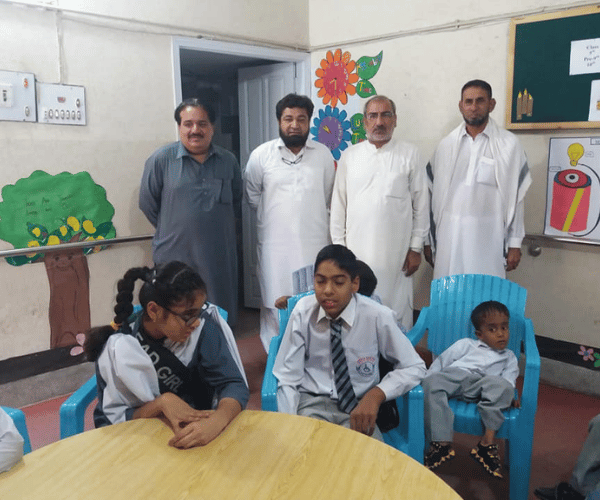
Zobia Trust is bringing new hope to disabled children in Mirpur. With access to education, proper care, and safe spaces to play and grow, these children are becoming more confident and included in their communities.
By: Zobia Trust Team June 28,2023
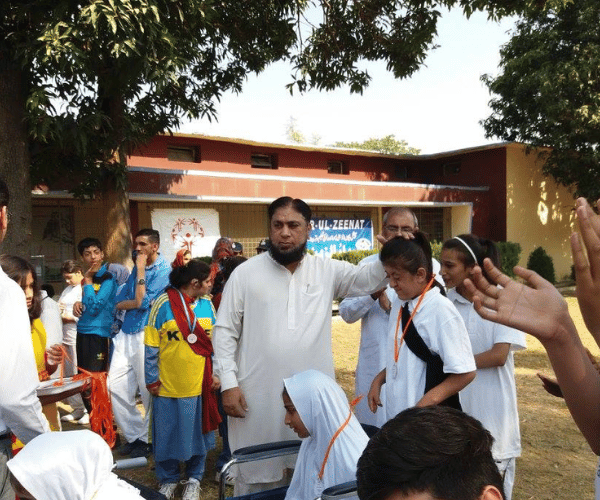
Zobia Trust focuses on building independence and self-esteem. The schools offer a supportive environment where children can develop their abilities despite physical or intellectual challenges.