

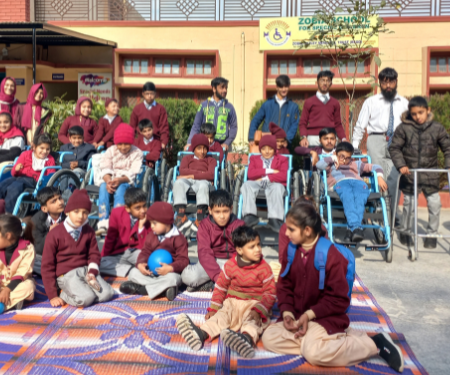
By: Zobia Trust Team August 11,2026
What Is Zakat? A Simple Guide for Muslims | Zobia Trust
What Zakat is, who should pay it, how to calculate Zakat and who can receive it. Discover how to give Zakat online in the UK.

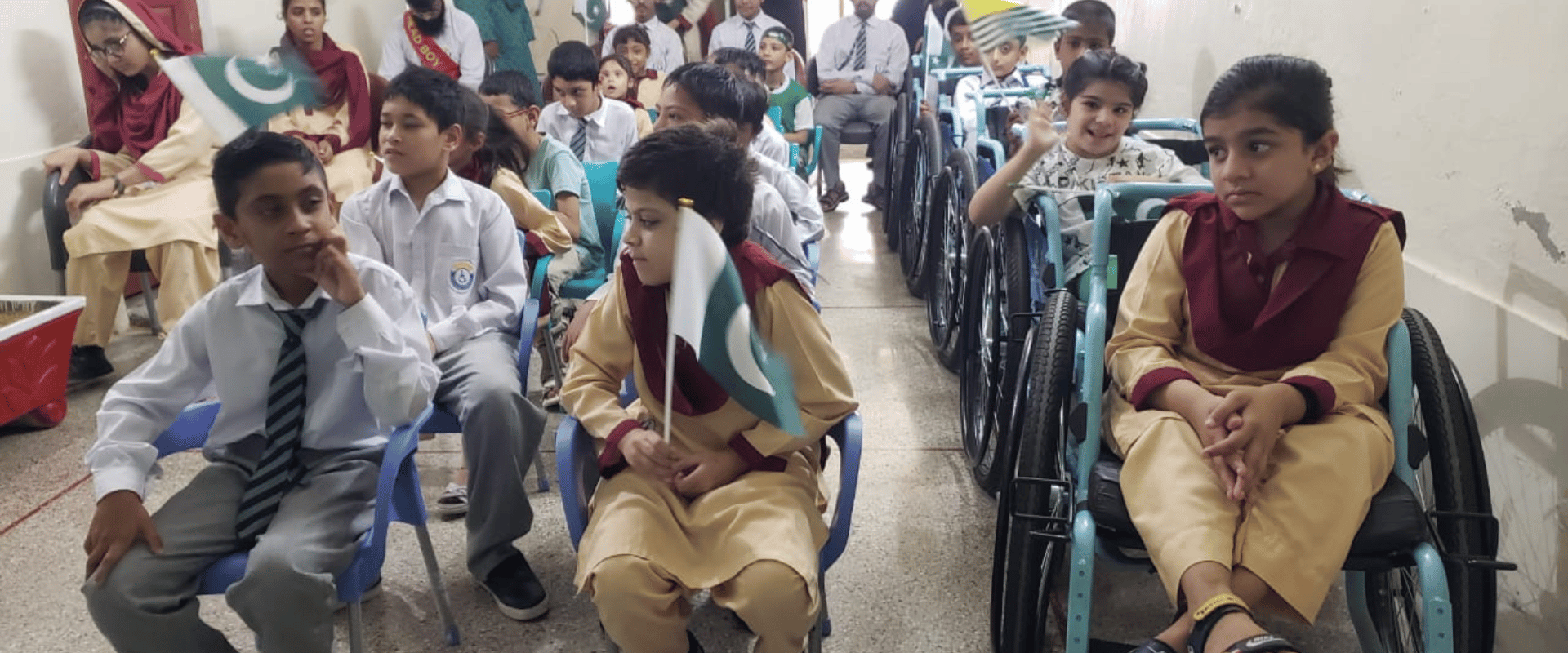
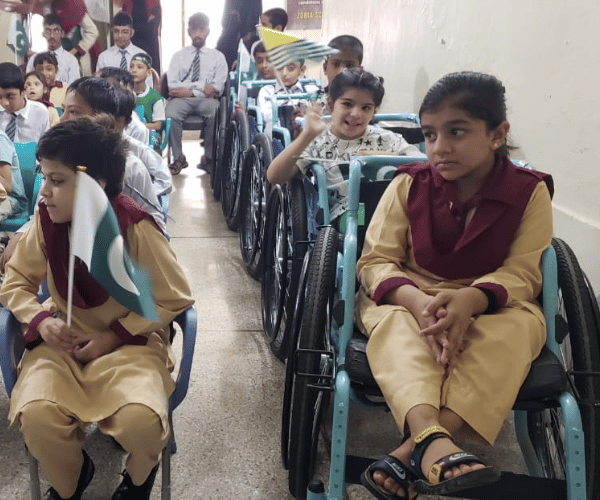
Lillah is an Arabic term that means “for Allah”. In Islam, it refers to voluntary giving for the sake of Allah. Muslims can give money to support good causes, help people in need and support charitable organisations. There is no fixed amount that a person must give, so people can contribute according to their means.
Unlike Zakat, which is an obligatory payment for eligible Muslims who meet certain conditions, Lillah is voluntary. It can help support different charitable needs, including education, healthcare and community services. The main purpose is to give sincerely, seeking Allah’s pleasure rather than praise or recognition from others.
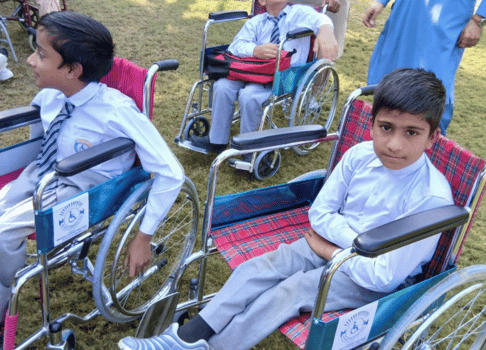
Islam teaches Muslims to care for others and share what they have with people who need support. Giving is not only about money; it also reflects kindness, gratitude and a willingness to help others. Even a small contribution can make a difference when it helps someone meet an important need.
The Qur’an reminds Muslims of the value of giving for Allah’s sake. In Surah Al-Baqarah (2:261), Allah compares those who spend in His way to a grain that grows seven ears, each containing a hundred grains. This teaches Muslims that sincere giving can bring great reward from Allah. It also encourages people to give with good intentions and trust in His mercy.
One of the main benefits of voluntary charity is the chance to seek Allah’s pleasure through a good deed. Giving can help Muslims become more thankful for their blessings and more aware of the difficulties others face. It also encourages a habit of generosity, reminding people that helping others is an important part of Islamic life.
Charitable donations can also bring practical benefits to communities. They may help provide education, meals, healthcare and other essential services. For a child who needs extra support, access to learning and therapy can make daily life easier and help build independence. When people contribute according to their means, their support can help charitable projects continue serving those who need them.
Zakat is one of the five pillars of Islam. It is an obligation for eligible Muslims who meet the required conditions, and it must be given to the categories of people specified in Islamic teachings. Its rules include requirements relating to wealth and eligibility.
Sadaqah is a broader term for voluntary charity and can include money, useful acts and simple kindness. Lillah is also voluntary giving made for the sake of Allah and can support suitable charitable causes, including institutions and services. The terms can overlap in their use, but it is important to understand that voluntary donations do not replace Zakat when Zakat is due.
You can begin by choosing a trustworthy charity that explains its work clearly and shows how donations support its projects. Think about the causes you want to support, such as education, healthcare or assistance for families. Give an amount that suits your circumstances; charitable giving should be sincere and within your means.
Many charities offer secure online donation options, making it easier to contribute from home. Before donating, read the appeal details to understand what the funds support and whether you can give a one-off or monthly amount. If you are giving for a particular purpose, check that the charity accepts donations for that purpose and can use the funds accordingly.
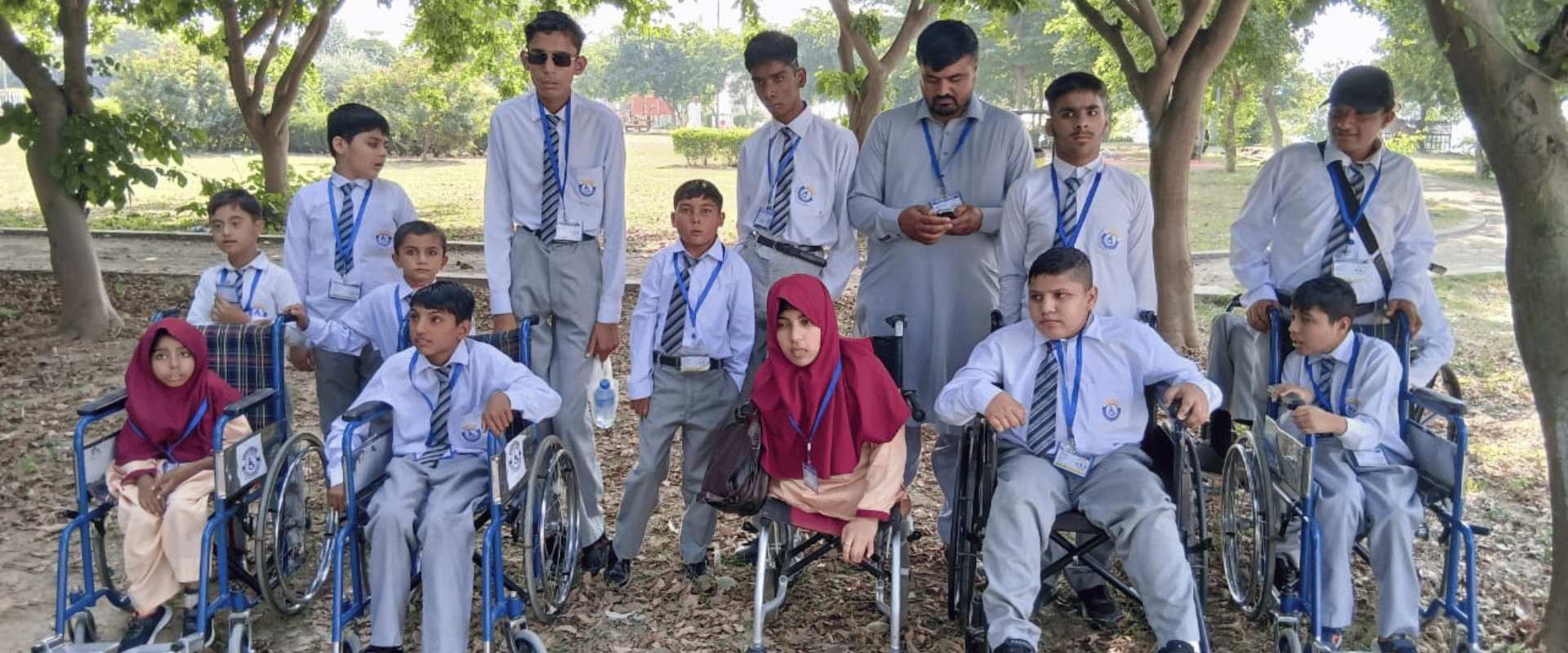
Zobia Trust works to support children with disabilities through its special schools in Mirpur and Islamgarh, Azad Kashmir. For many families, finding suitable education and specialist support can be difficult. The charity brings different forms of care together to help children learn, develop skills and work towards greater independence.
Donations through its Lillah Appeal help support the running of these schools and the services children need. According to the appeal page, contributions can help cover education, physiotherapy, speech and behaviour therapy, school transport, meals and trained staff. This support helps create an environment where children can learn at their own pace and receive care suited to their needs. You can learn more on the Zobia Trust Lillah Appeal page.
Every child deserves the chance to learn, grow and take part in daily life. By supporting suitable charitable projects, you can help provide services that children and their families may otherwise struggle to access. Even a modest contribution can help meet an important need when used where support is required.
If you would like to help children with disabilities in Azad Kashmir, visit the Zobia Trust Lillah Appeal to learn more. You can choose a one-off or monthly donation and follow the instructions on the page. Give with a sincere intention and support work that helps children build skills, confidence and greater independence.
Latest Updates
By: Zobia Trust Team August 11,2026
What Zakat is, who should pay it, how to calculate Zakat and who can receive it. Discover how to give Zakat online in the UK.
By: Zobia Trust Team August 20,2026
Sadaqah Jariyah is linked to the Islamic understanding that some good deeds can continue to benefit a person after their death. It is a meaningful form of charity because its benefit can continue to reach others over time.
By: Zobia Trust Team July 14,2025
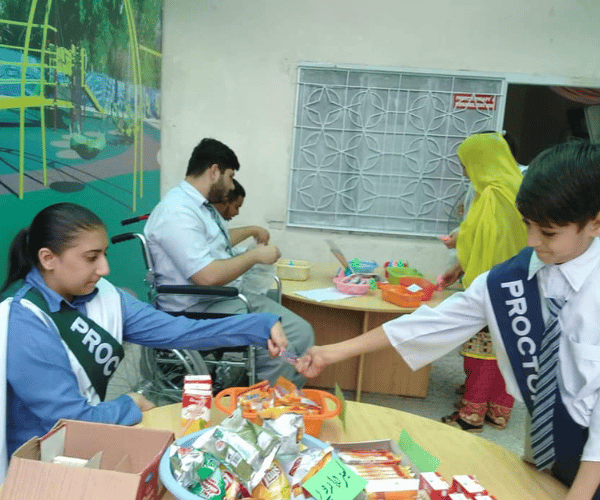
Zobia Trust takes big steps to help special needs childrens. We care deeply about them and want no one to be left behind.